About Our Project
Amazon Web Services data center in Boardman, Ore.
Meet the Team!
Meera Chavan
Data Specialist
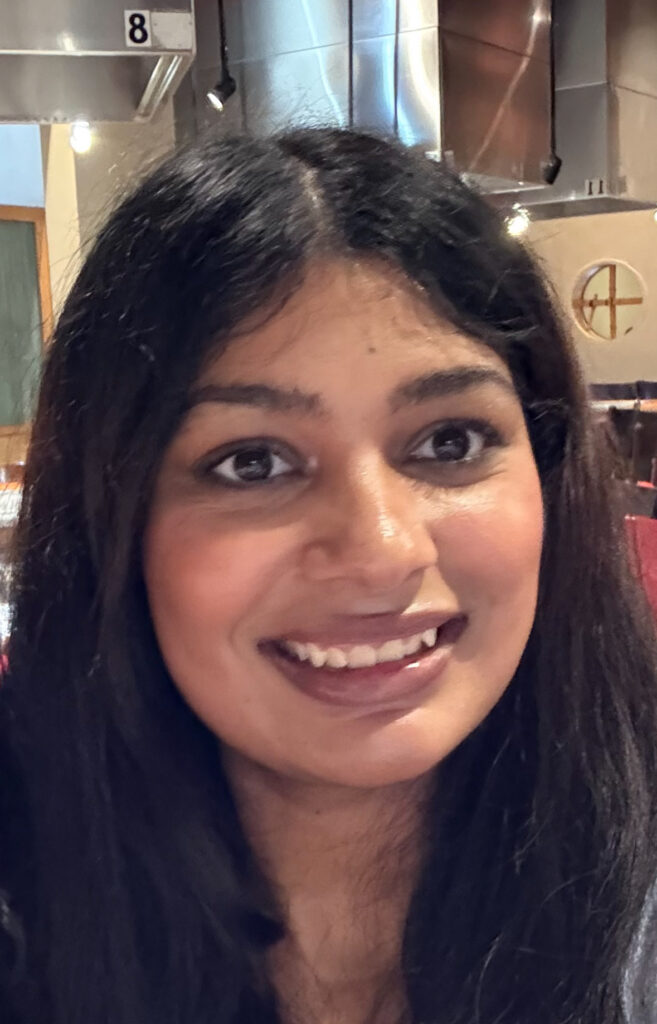
Hi, my name is Meera Chavan and I am a 4th year Cognitive Science major with a specialization in Computation. As the Data Specialist, I was in charge of cleaning up and refining the group’s dataset. I also helped with data visualizations and creating our web pages.
Nathan Chen
Data Visualization Specialist
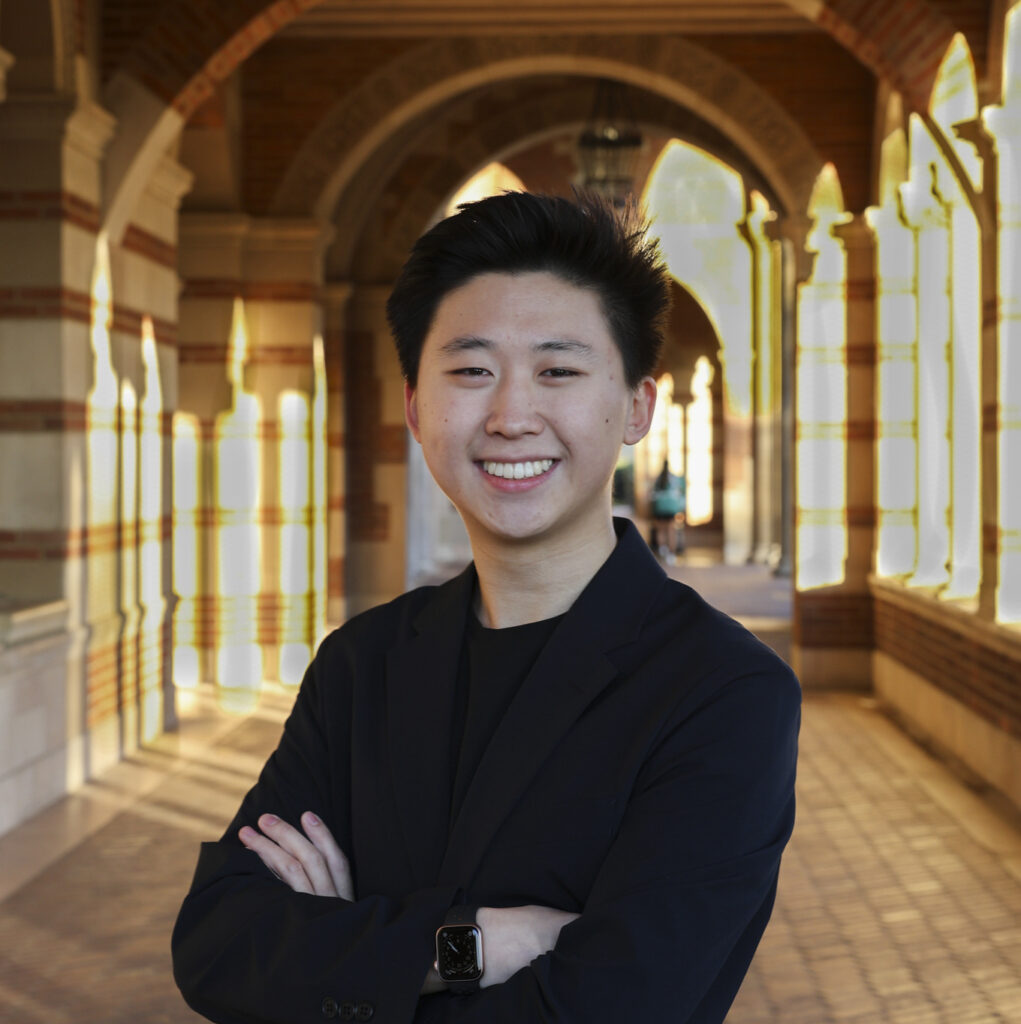
Hi, I’m Nathan Chen, a 4th year double majoring in Statistics and Data Science and Mathematics of Computation. In this project, I am the data visualization specialist, and helped create graphs and maps to help us discover new insights and answer our research questions.
Amy Ho
Project Manager
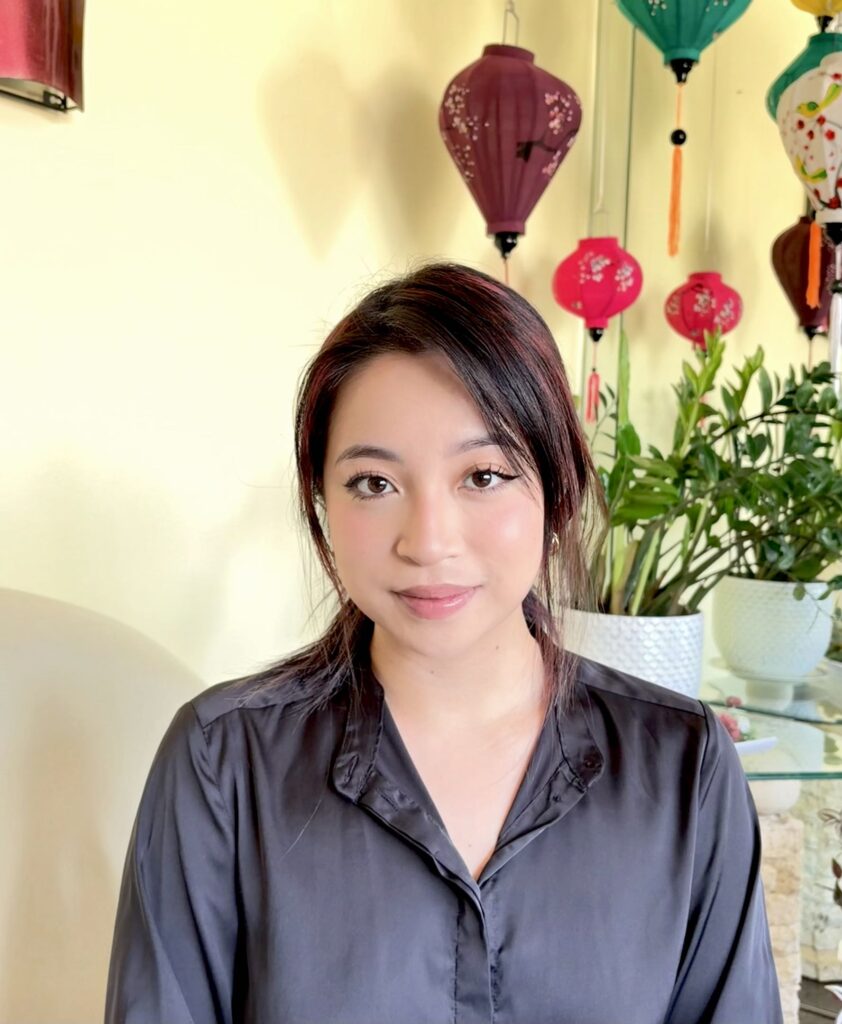
Hi, I’m Amy! I am a 4th year Statistics & Data Science major from Orange County. In this project, I served as Project Manager, where I coordinated team meetings, delegated responsibilities, and helped guide the overall direction of the project to ensure we stayed organized and on schedule while also collaborating with my team across multiple aspects of the project.
Millie Huang
Content Developer
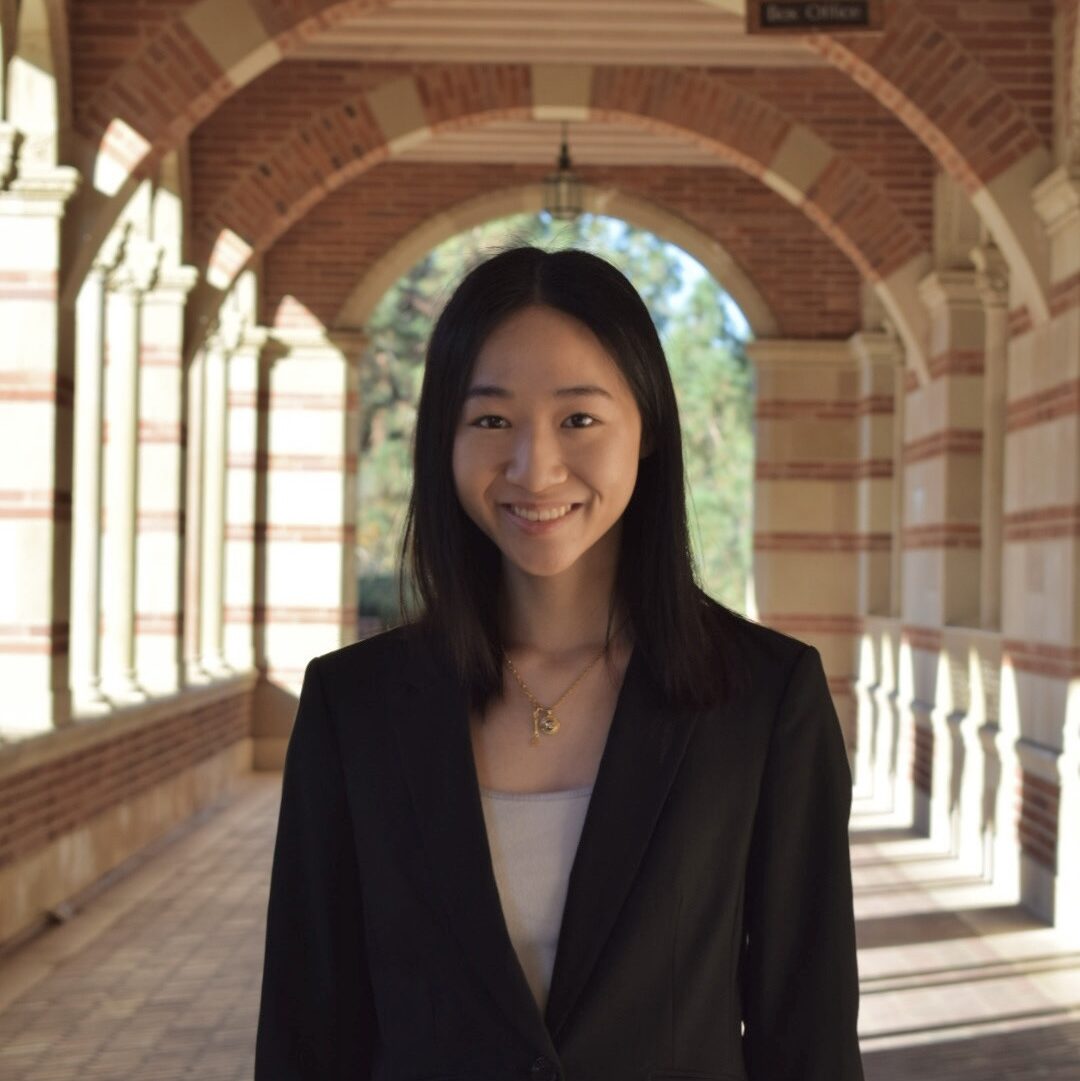
Hi! My name is Millie, and I’m a 4th year Statistics and Data Science major at UCLA. My role in this project was the Content Developer. I helped with overseeing the website pages and adding visual content. I also worked with data visualizations.
Aghilan Nachiappan
Web Designer

Hello! My name is Aghilan Nachiappan, and I am a first year Computer Science Major. I was the Web Designer in this project. I helped with setting up and designing the website. My role was to work on aspects of the website like the layout and the UI to improve user experience. I also helped clean up the dataset.
Bugil Song
Editor

Hi my name is Bugil Song and I’m a senior at UCLA majoring in Human Biology and Society. My role in this project was the Editor. I managed the synthesis of our dataset on global data centers. My responsibilities included overseeing our written content and making critical adjustments to ensure the project accurately addressed both the environmental effects and the humanistic aspect.
The “Three Layers” of Digital Humanities Projects
Sources
Our project discusses the environmental burdens of data centers on local communities through intensive energy usage, especially as the demand for artificial intelligence increases in the present. As such, our main source for this project is the Global Data Center Dataset from Kaggle. This dataset includes a comprehensive set of metrics from the global data infrastructure by country as of 2025, such as the number of data centers and hyperscale data centers, renewable energy usage, data center tier, total energy consumption, and more. In total, 191 countries are represented in our dataset.
We considered that the dataset would introduce varying narratives and silences into the data because the creator of the dataset, Shashank Tripathi, drew from different institutional and commercial sources to curate the data, leading our team to believe that the level of reliability could differ from row to row. Moreover, we assessed that the regional level data is excluded for each country’s data infrastructure, which also influences our interpretations in the project. More critiques of the main data are written on our Data Critique page.
We also utilized primary and secondary sources throughout our project to accentuate the geographic concentration of data centers and how it fuels environmental colonialism. We drew these sources from both online and journal articles that we found credible.
Lastly, our timeline incorporated a combination of primary and secondary sources about the rise of data centers, such as when prevalent cloud providers like AWS first introduced their products.
Processing
We cleaned our dataset with the help of tools like Breve and Google Sheets. The cleaned dataset has the data we used in a format that’s easy to parse for data visualizations, and the specifics of exactly what we did to clean the data can be seen if needed. Our data visualizations were made through Tableau and excluded NULL values. We used Timeline JS to create our timeline.
Presentation
To build our website, we were granted access to a HumSpace domain on WordPress. We then populated our website with various pages to allow our audience to navigate our website and discuss the narratives of our project, such as our introduction, annotated bibliography, data critique, visualizations, timeline, and more visual components. For our visualizations, specifically, we took care to describe how each visualization fits into our narratives. To make our website more visually appealing, we also incorporated a theme and images.
Thank you to Dr. Nicolas Sabo and our TA Pietro Santachiara for their guidance throughout our project; we learned so much about digital humanities this quarter. We would also like to thank the UCLA Library for its assistance in locating primary sources.